





Introduction: If the Business Stops When You Do, You’re Still the System
Many business owners dream of freedom—but live in constant availability.
If taking a day off creates anxiety, delays, or emergencies, the issue isn’t commitment. It’s structure. A business that relies on its owner to function isn’t scalable—and it isn’t sustainable.
True growth comes from hands-off systems that allow the business to operate smoothly, even when you’re offline.
Why Owner Dependence Becomes a Growth Ceiling

Owner dependence feels responsible—until it becomes restrictive.
Signs Your Business Depends Too Heavily on You
If your business relies on you too much, several patterns appear quickly.
For example:
- Decisions wait for your approval
- Team members escalate every issue
- You are copied on every update
- Progress slows down when you step away
As a result, your time becomes the bottleneck. Instead of leading strategically, you stay trapped in daily execution.
What a Hands-Off Business Actually Looks Like
A hands-off business isn’t unmanaged. It’s well-designed.
It has:
- Clear workflows and ownership
- Documented decision-making rules
- Automation that handles routine execution
- Visibility without constant involvement
This is how owner independence is created—by design, not distance.
The Systems That Make Offline Operation Possible
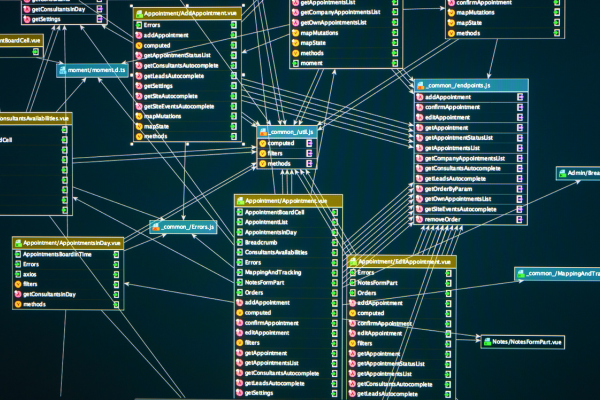
1. Decision Systems
Define what requires approval—and what doesn’t. This removes hesitation and speeds execution.
2. Execution Systems
Documented workflows ensure consistency, regardless of who’s executing them.
3. Automation Systems
Smart business automation handles follow-ups, hand-offs, and notifications automatically.
4. Visibility Systems
Dashboards replace check-ins. You stay informed without being involved.
Why Letting Go Improves Performance
When owners step back:
- Teams step up
- Bottlenecks disappear
- Accountability improves
Freedom doesn’t weaken businesses—it strengthens them.
Final Thought: Freedom Is a Systems Outcome
A business that runs smoothly without you isn’t a dream—it’s an operational achievement.
When systems are strong, presence becomes optional.
That’s when you stop managing the business—and start owning it.