Introduction: Growth Needs a Clear Plan
Imagine trying to build a house without blueprints.
You might know what the finished product should look like, but without a clear plan, mistakes become inevitable. Materials get wasted, teams become confused, and progress slows down.
The same thing happens in business.
Many companies attempt to scale before they fully understand how work moves through their organization. As a result, growth creates complexity instead of momentum.
This is where business process mapping becomes essential.
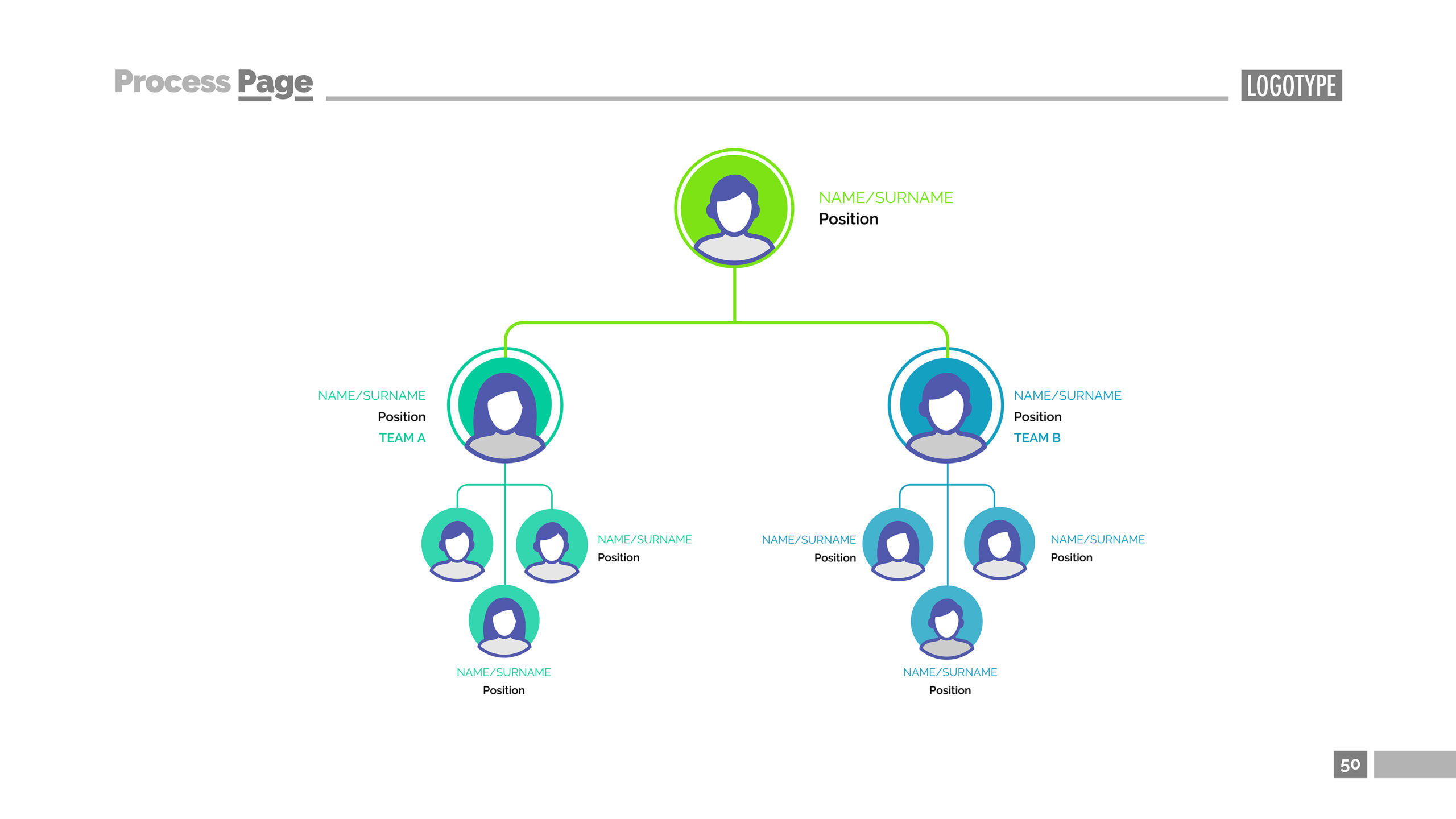
Business process mapping provides a visual representation of how tasks, decisions, and responsibilities flow through a company. Once leaders can clearly see how work gets done, they can improve it.
The OBS Compass Program uses process mapping to help businesses strengthen operations, eliminate inefficiencies, and create systems that support sustainable growth.
What Is Business Process Mapping?

Business process mapping is the practice of documenting and visualizing the steps involved in completing a task or workflow.
Rather than relying on assumptions, leaders can see exactly how work moves from start to finish.
A process map typically identifies:
- Individual tasks
- Team responsibilities
- Decision points
- Approval stages
- Communication channels
- Dependencies between departments
- Opportunities for improvement
Because process maps make workflows visible, they allow organizations to improve operations with greater confidence.
Without that visibility, businesses often make changes based on guesswork instead of data.
Why Process Mapping Matters
Many operational problems remain hidden until they are mapped.
Teams may experience delays or frustration, but they cannot always identify the cause. Process mapping helps businesses uncover the obstacles that slow growth.
For example, process mapping reveals:
- Bottlenecks
- Duplicated work
- Approval delays
- Communication gaps
- Unnecessary steps
- Manual tasks
- Automation opportunities
Once these issues become visible, leaders can begin making targeted improvements.
As a result, teams spend less time solving preventable problems and more time focusing on meaningful work.
Workflow Optimization Starts With Visibility
Businesses cannot improve processes they do not understand.
Workflow optimization begins by creating a clear picture of how work currently happens. Only then can leaders identify which steps create value and which steps create friction.
For example, process mapping helps organizations answer important questions:
- Where do delays occur?
- Which tasks are duplicated?
- Who owns each stage of the process?
- Which approvals slow execution?
- What can be automated?
By answering these questions, businesses create workflows that are faster, simpler, and more efficient.
Consequently, operational efficiency improves across the organization.
Better Data Leads to Better Decisions
Without process mapping, leaders often make decisions based on assumptions.
A problem appears, and the team reacts. However, reacting to symptoms rarely solves the underlying issue.
Process mapping changes this approach.
Instead of guessing, leaders gain access to operational data that reveals how work actually moves through the business.
This visibility helps organizations:
- Improve communication
- Strengthen accountability
- Reduce waste
- Allocate resources more effectively
- Identify opportunities for automation
- Measure performance accurately
As a result, decisions become more strategic and less reactive.
Process Mapping Prepares Businesses for Growth
Growth places additional pressure on every part of an organization.
New employees join the team. Customer demand increases. More projects require coordination.
Without documented workflows, these changes often create confusion.
Businesses that map their processes before scaling experience several advantages, including:
- Faster onboarding
- Stronger accountability
- Better customer experiences
- Smoother operations
- Clearer communication
- More predictable results
Because employees understand how work should be completed, the business becomes more resilient as complexity increases.
Furthermore, leaders gain confidence that growth will not overwhelm their teams.
Process Mapping Supports Better Onboarding
Training new employees becomes much easier when processes are clearly documented.
Without process maps, onboarding often depends on verbal instructions and shadowing experienced employees. While that approach may work temporarily, it becomes difficult to maintain as the company grows.
Documented workflows provide new team members with:
- Clear expectations
- Step-by-step guidance
- Consistent training
- Defined responsibilities
- Faster access to information
Consequently, employees become productive more quickly and require less supervision.
This improves operational efficiency while reducing pressure on existing team members.
Why Businesses Should Not Automate Broken Processes
Many companies invest in software before understanding their workflows.
Unfortunately, technology alone cannot fix operational problems.
Automating an inefficient process simply allows mistakes to happen faster.
Before implementing new tools, businesses should first understand:
- How work currently flows
- Where bottlenecks exist
- Which tasks create value
- What responsibilities belong to each team
Once those questions are answered, automation becomes far more effective.
In other words, businesses should optimize first and automate second.
How the OBS Compass Uses Business Process Mapping

The OBS Compass Program uses business process mapping to strengthen the systems that support long-term growth.
Rather than focusing on isolated tasks, the Compass aligns critical areas of the business:
Vision
Creates clarity around goals and direction.
Leadership
Improves accountability and decision-making.
People
Defines ownership and responsibilities.
Process
Documents workflows and standardizes execution.
Data
Provides insights that guide improvement.
Execution
Turns plans into measurable results.
Because these systems work together, businesses gain the operational clarity needed to scale successfully.
Process Mapping Creates a Stronger Business
The businesses that scale most effectively do not rely on memory or improvisation.
Instead, they invest in systems that create consistency.
Process mapping helps organizations:
- Eliminate inefficiencies
- Improve communication
- Strengthen accountability
- Increase operational efficiency
- Support sustainable growth
Most importantly, it gives leaders a clear understanding of how their business actually operates.
That clarity becomes a competitive advantage.
Final Thoughts
Scaling a business without process mapping is like building without blueprints.
Growth introduces complexity, and complexity exposes weak systems.
By documenting workflows and improving operations before scaling, businesses create a stronger foundation for future success.
The OBS Compass Program helps organizations use business process mapping to optimize workflows, improve decision-making, and support sustainable growth.
Do not automate confusion.
Map your processes first.
Business process mapping creates the visibility, efficiency, and operational structure businesses need to scale successfully.