Organizational structure in business is the framework that defines how roles, responsibilities, and reporting lines are arranged so work gets done and decisions get made. It sets who owns what, who reports to whom, and how information moves through the company.
A clear structure keeps a growing team aligned and accountable, while a vague one leaves people guessing and slows everything down. This guide explains what organizational structure in business is, why it matters, its key elements and main types, and how it shows up in a business plan.
What Is Organizational Structure in Business?
Organizational structure in business is the system that arranges people and roles to carry out a company’s work and reach its goals. It defines the chain of command, groups related roles into teams or departments, and clarifies how much authority each role holds.
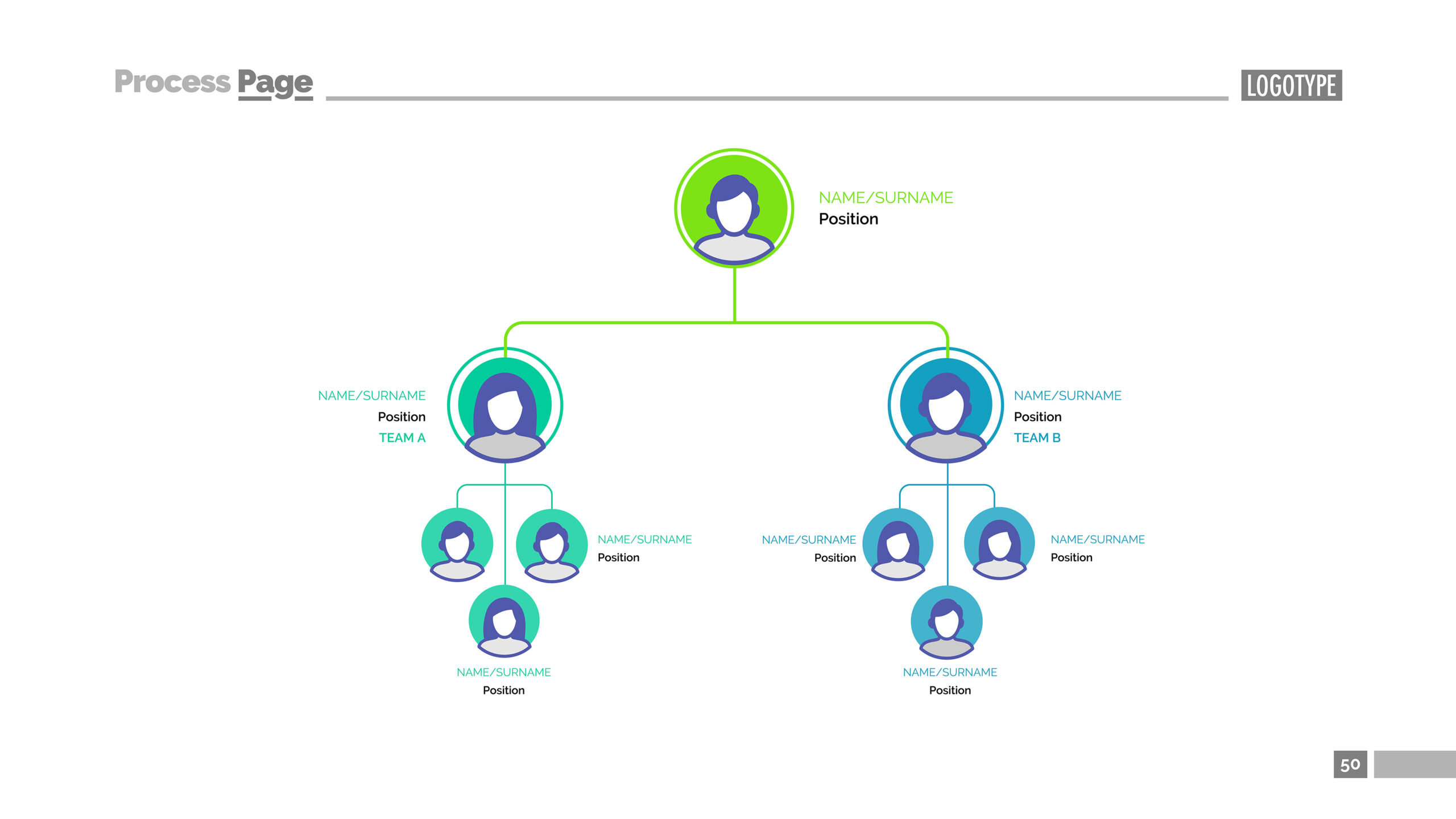
A structure is often shown as an organizational chart, but it is more than a diagram. It reflects how decisions actually get made, how work flows between people, and how accountability is assigned. When the structure fits the business, priorities turn into clear ownership. When it does not, effort gets duplicated and approvals stall.
Why Organizational Structure Matters
The importance of organizational structure grows with every person you add. A good structure does practical work every day:
- Clarifies roles, so people know their responsibilities and who to approach for decisions.
- Speeds up decisions by making authority and reporting lines explicit.
- Reduces duplicated effort and closes the gaps where tasks fall through.
- Supports accountability, because each outcome has a clear owner.
- Helps the business scale, since new hires slot into a defined system instead of improvising.
According to Harvard Business School Online, a well-defined structure improves efficiency and gives employees clarity about their responsibilities and how they fit the company’s goals. For a growing business, that clarity is the difference between coordinated action and constant firefighting.
The Key Elements of Organizational Structure
Most structures are built from the same core elements of organizational structure:
- Work specialization: how tasks are divided among roles so people focus on what they do best.
- Departmentalization: how related roles are grouped, such as by function, product, or region.
- Chain of command: the line of authority that shows who reports to whom.
- Span of control: how many people report to each manager.
- Centralization: how much decision-making sits at the top versus spread across the team.
- Formalization: how much of the work is guided by documented rules and procedures.
These elements combine differently in every company. The right mix depends on your size, your industry, and how much coordination your work requires.
Common Types of Organizational Structure
There are several common types of organizational structure, and most businesses use one or a blend:
- Functional: teams are grouped by specialty, such as sales, finance, and operations. Simple and efficient, though silos can form.
- Divisional: the company is split into semi-independent units by product, market, or region, each with its own resources.
- Matrix: employees report to two managers, often a function lead and a project lead. Flexible, but reporting can get complicated.
- Flat: few management layers sit between staff and leadership. Fast and collaborative, common in small firms, but harder to scale.
- Hierarchical: the familiar pyramid, with clear levels of authority from leadership down. Predictable, though slower to adapt.
Many companies start functional and shift toward a divisional or matrix structure as they grow more complex.
Organizational Structure Example in a Business Plan
An organizational structure example in a business plan usually appears as a short section with a simple org chart and a few lines describing each key role. For a small service company, it might place the owner at the top, with an operations manager, a sales lead, and an office administrator reporting in, and frontline staff reporting to those leads. Open Canadian business courses such as Introduction to Canadian Business illustrate the same idea with sample charts that start at the owner and branch down through managers to staff.
The section should show who is responsible for each area of the business, how they report to one another, and any roles you plan to hire as you grow. Lenders and investors read it to judge whether the business can run smoothly and whether responsibilities are covered rather than concentrated in one person.
How to Choose the Right Structure
The best structure is the one that matches how your business actually operates. Start with your goals and your size, map the work that has to get done, and group roles around it rather than around personalities. Keep the chain of command short enough that decisions move quickly, and give each manager a span of control they can realistically handle. Then revisit the design as you grow, because the structure that suits a team of five rarely fits a team of twenty.
Structure Works Only When It Runs on Systems
A structure on paper does not run a business. Roles and reporting lines create results only when they are backed by clear processes and real accountability. This is the People pillar of the OBS Compass: the right people in the right roles, working in sync. It holds when each role has documented responsibilities, when standard operating procedures define how the work gets done, and when operational accountability makes sure every outcome has an owner. Wired into a business operating system, your structure stops depending on the founder’s memory and starts running on its own.
Frequently Asked Questions
What is organizational structure in simple terms?
It is the way a company arranges roles, responsibilities, and reporting lines so work gets done and decisions get made. It shows who does what and who reports to whom.
What are the main types of organizational structure?
The most common are functional, divisional, matrix, flat, and hierarchical. Many businesses use a blend and adjust the mix as they grow.
What are the elements of organizational structure?
The core elements are work specialization, departmentalization, chain of command, span of control, centralization, and formalization. Together they define how a company divides and coordinates its work.
Why is organizational structure important for a small business?
It gives a growing team clear roles and accountability, speeds up decisions, and lets new hires fit into a defined system instead of improvising, which makes the business far easier to scale.
Turn Your Org Chart Into a Business That Runs Itself
At Optimize Business Systems, we help owners build the structure, systems, and accountability that let a company run without depending on them. Book a strategy session to put the right people, roles, and processes in place and turn your org chart into a business that runs itself.