Introduction: Is Accountability Really the Problem?
One of the most common complaints we hear from growing businesses sounds something like this:
“My people aren’t taking enough accountability.”
Sometimes, that may be true.
However, before blaming the people, leaders should ask another important question:
Have we made it completely clear what they are accountable for?
As companies grow, roles can change quickly. Employees take on new responsibilities. Managers move into leadership positions. Departments begin to overlap. Meanwhile, tasks often get delegated informally.
Eventually, everyone is busy.
Yet ownership becomes unclear.
That is where role clarity becomes critical.
When employees understand what they own, how success is measured, and where their authority begins and ends, accountability becomes easier to build.
More importantly, clear roles create the organizational structure that high-performing teams need to succeed.
What Is Role Clarity?
Role clarity means employees understand their responsibilities, decision-making authority, expected results, and contribution to the organization.
It goes beyond a job title.
Two employees can understand their titles while still being confused about who owns a specific responsibility.
That confusion often sounds like:
- “I thought she was doing that.”
- “Nobody told me that was mine.”
- “I was waiting for approval.”
- “That isn’t really my department.”
- “I thought you were handling it.”
These situations may look like people problems.
However, they often point to a structure problem.
When responsibilities remain unclear, employees make assumptions. Consequently, tasks get missed, duplicated, or delayed.
Role clarity removes that uncertainty.
Why Organizational Charts Are Not Enough
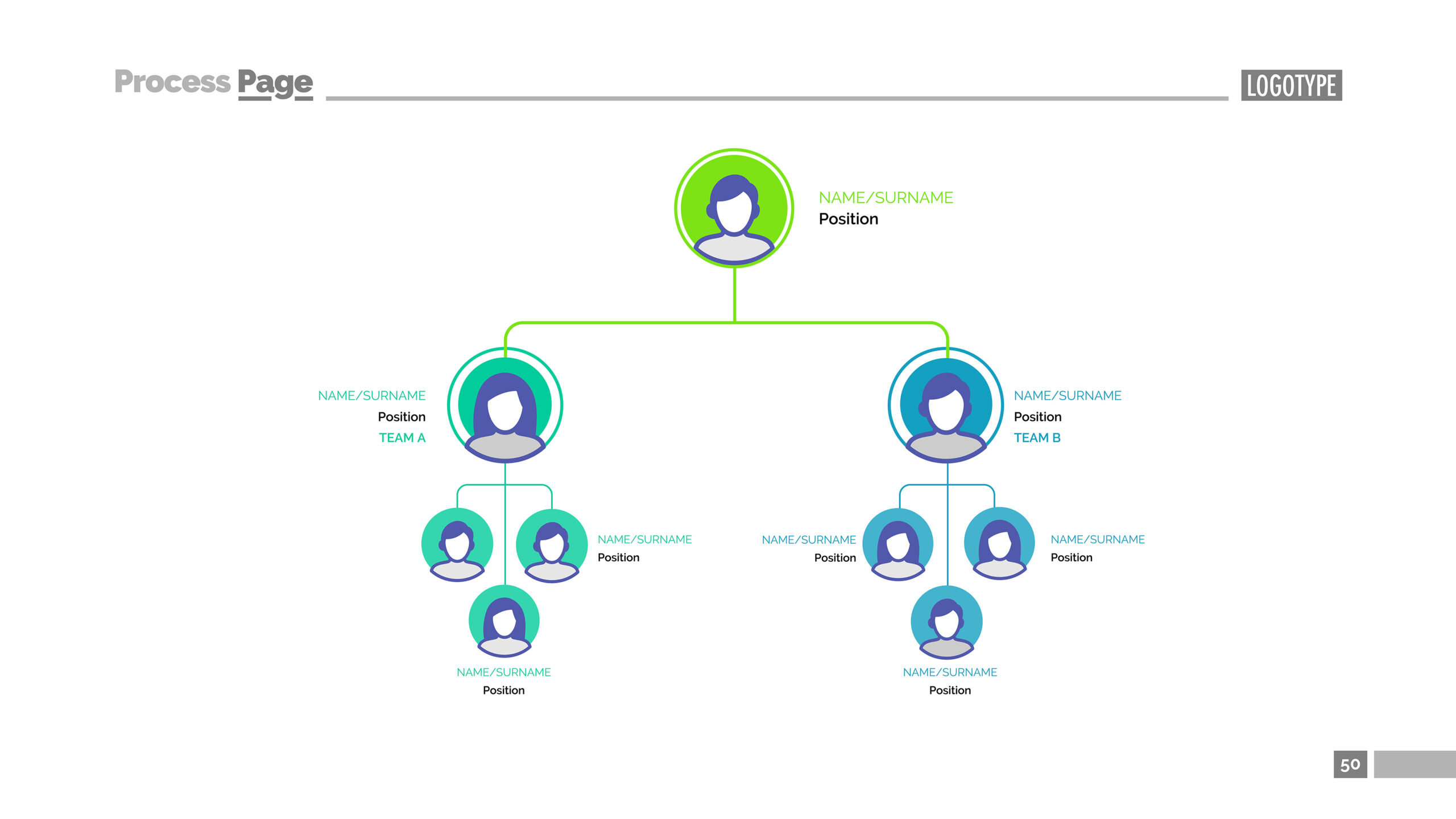
A traditional organizational chart answers one important question:
Who reports to whom?
However, growing businesses need another question answered just as clearly:
Who is responsible for what?
Reporting relationships explain hierarchy. They do not always explain ownership.
That distinction matters.
Inside the OBS Compass, we use a Responsibility Blueprint to help leadership teams define responsibilities throughout the organization.
The focus is not simply hierarchy.
The focus is ownership.
When a responsibility has a clear owner, everyone knows who ultimately owns the outcome.
Without that clarity, shared responsibility can quickly become no responsibility.
Accountability Starts With Clarity

Leaders cannot create strong accountability by simply demanding better performance.
Accountability starts much earlier.
First, employees need clear expectations. Then, they need the authority, information, and resources required to meet those expectations.
A person should understand:
- What they own
- What successful performance looks like
- What decisions they can make
- Which results matter
- When they should escalate an issue
- How their role connects with other roles
Once these expectations are clear, accountability becomes more objective.
Instead of saying:
“You need to do better.”
A leader can have a more productive conversation:
“Here is the responsibility you own. Here is the agreed standard. Here is the result we are seeing. What is preventing you from delivering?”
That creates a very different management environment.
The OBS KOD Framework
Inside the People Gear of the OBS Compass, the KOD framework provides a practical way to evaluate role performance.
KOD stands for:
Know It. Own It. Deliver It.
This framework helps leaders identify what may be missing when an employee struggles to perform.
Know It
Does the employee understand the role?
Do they have the knowledge, skills, information, and resources required to succeed?
For example, a newer employee may not fully Know It yet. That does not automatically mean they are the wrong person for the role.
Instead, it may reveal a training or development opportunity.
Own It
Does the employee take responsibility for the role?
Ownership means the employee understands that the outcome belongs to them. They do not need constant reminders, chasing, or rescuing.
When people genuinely own their responsibilities, leaders can step away from unnecessary supervision.
Deliver It
Does the employee consistently produce the expected result?
Effort matters. However, effort alone does not define successful performance.
Every role exists to produce an outcome.
Therefore, leaders need to evaluate both effort and results.
The KOD framework gives leaders a structured way to identify what is actually missing instead of immediately concluding that someone “isn’t working out.”
Role Clarity Reduces Founder Dependency
There is another major benefit to clear roles.
They reduce founder dependency.
When ownership is unclear, decisions naturally move upward.
Eventually, those decisions land on the founder’s desk.
The founder answers the question. Then, they solve the problem. Next, they make the decision. Finally, everyone goes back to work.
The immediate problem is solved.
However, the larger problem remains.
The organization has learned to depend on the owner.
Clear roles begin to reverse that pattern.
When leaders understand what they own, they can make decisions within their areas of responsibility.
When employees understand where responsibilities sit, they know where to go for answers.
Furthermore, when accountability becomes part of the organizational structure, founders no longer need to personally monitor every task.
That is how organizational structure creates freedom at the top.
Role Clarity Strengthens Team Accountability
High-performing teams do not simply work hard.
They understand how their work connects.
For that reason, role clarity should extend beyond individual responsibilities.
Employees should also understand how their work affects other people and departments.
For example, one team’s output may become another team’s starting point. If the first team misses a deadline, the second team may experience delays.
Clear ownership helps prevent these gaps.
As a result, teams can:
- Coordinate more effectively
- Reduce duplicated work
- Resolve issues faster
- Improve communication
- Strengthen accountability
- Deliver more consistent results
Therefore, role clarity becomes a foundation for stronger team performance.
Culture Still Matters
Clear responsibilities are important.
However, role performance is only one part of building a strong team.
The right person should also align with the company’s core values.
That is why the People Gear connects back to Vision within the OBS Compass.
Your core values define what your organization stands for. They also establish how people are expected to behave.
Performance without cultural alignment can become expensive.
A high performer may produce strong individual results. However, if that person consistently damages trust, creates conflict, undermines teamwork, or ignores company values, the wider organization can suffer.
Great businesses need both:
People who fit the culture and people who can deliver the role.
Build a Team That Knows What It Owns

If your leadership team is constantly dealing with accountability problems, don’t immediately assume you need better people.
First inspect the system.
Are responsibilities actually clear?
Does every critical responsibility have one owner?
Do people understand what good performance looks like?
Can leaders make decisions without constantly escalating them?
Are expectations discussed consistently?
Your answers may reveal that the accountability problem began long before the employee failed to deliver.
It began when the business failed to create clarity.
Build Greater Accountability With the OBS Compass
The People Gear of the OBS Compass helps growing businesses create clearer responsibilities, stronger accountability, better leadership habits, and healthier teams.
Because accountability isn’t created by telling people to “take more ownership.”
It’s created by building an organization where people know exactly what they own—and are equipped to deliver it.
Learn more about the OBS Compass and how Optimize Business Systems helps leadership teams build companies with greater clarity, accountability, and structure.