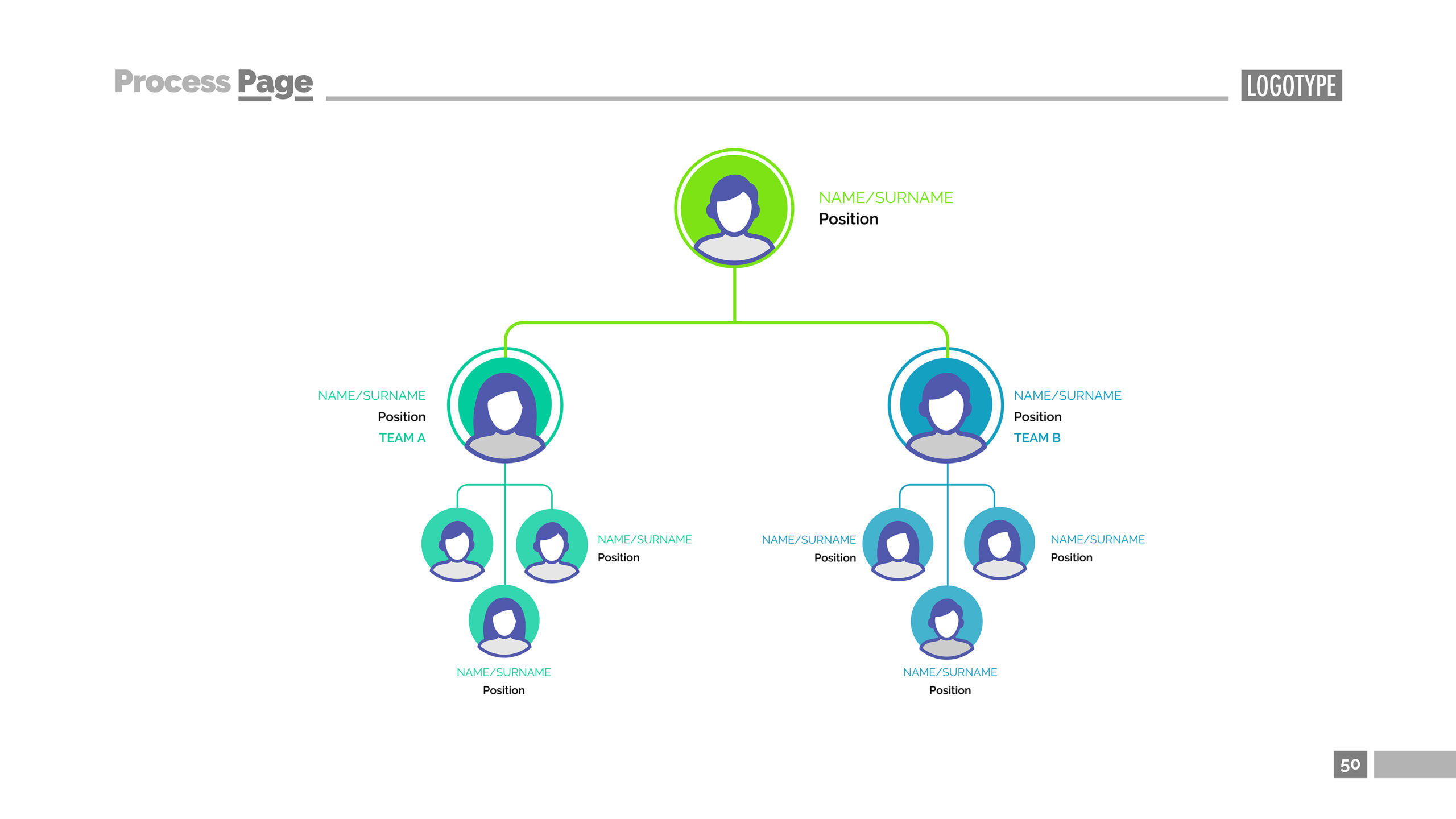
What separates reactive managers from visionary CEOs? It’s not just charisma or hustle—it’s perspective. Great leaders don’t just see a list of tasks; they see interconnected systems. This shift in mindset—embracing business systems thinking—is what enables leadership development and effective strategic delegation at scale.
If you’re stuck in day-to-day firefighting, here’s how to step back and think like a systems-driven CEO.
1. Why Task Thinking Keeps You Stuck
Many leaders operate in task mode—checking boxes, managing to-do lists, and solving problems one by one. While this feels productive, it keeps you locked in short-term reactivity. You end up working in your business, not on your business.
Systems perspective: Instead of asking, “Did this task get done?” ask, “What system ensures this task gets done correctly every time?”
2. Systems Thinking Creates Predictability
Visionary CEOs build systems that deliver consistent outcomes, regardless of who is executing. A sales process, onboarding checklist, or automated workflow ensures quality without requiring constant oversight.
Leadership takeaway: Predictability frees you to focus on growth, strategy, and innovation—not micromanagement.
3. Strategic Delegation Depends on Systems
Delegating tasks without systems often leads to mistakes and frustration. But when delegation happens within a defined process, results become reliable.
Example: Instead of telling an assistant, “Send this proposal,” a CEO provides a system: a proposal template, a review workflow, and an approval process.
This is strategic delegation—building capacity for your team to execute at a high level without your direct involvement.
4. Systems Thinking as Leadership Development
True leadership development isn’t about giving people more tasks—it’s about teaching them to design, refine, and own systems. When your managers learn to think this way, they become multipliers, not bottlenecks.
Practical step: Encourage your leaders to document, test, and improve at least one process each quarter.
5. From Reactive Manager to Visionary CEO

The leap from manager to CEO is a mental shift: stop solving problems in isolation, and start building systems that solve categories of problems once and for all. This mindset makes scaling possible.
The big difference: Reactive managers fix fires. Visionary CEOs build fire prevention systems.